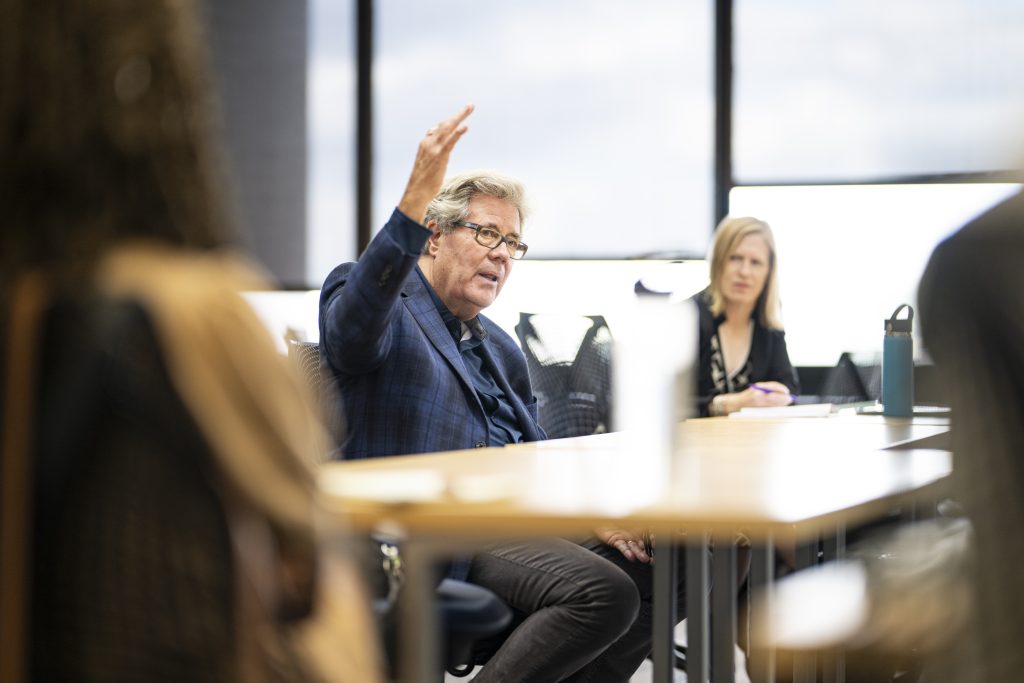
Sharon Dunwoody Journalist in Residence Program
For more than 30 years, the Journalist in Residence program has offered the world’s top journalists an opportunity to share their expertise, engage with the campus community, and collaborate with university scholars.
The university offers residency programs in Science, Public Affairs, Business, Journalism Ethics and Wisconsin. Visiting journalists spend approximately one week on campus, participating in public forums, and serving as a resource for students, faculty, and staff.
Named after the late Sharon Dunwoody, a professor of journalism at UW–Madison who co-founded the Science Journalist in Residence program with Terry Devitt, emeritus director of research communications, the Journalist in Residence program is sponsored by the Office of Strategic Communication and campus partners, including the La Follette School of Public Affairs, the Wisconsin School of Business, and the School of Journalism and Mass Communication, with support from the Wisconsin Foundation and Alumni Association.
Stay connected
Learn about upcoming Journalist in Residence events and news. Sign up for emails.
Journalist in Residence
For the Fall 2026 semester, UW–Madison will welcome the following journalist for in-person and virtual public events:
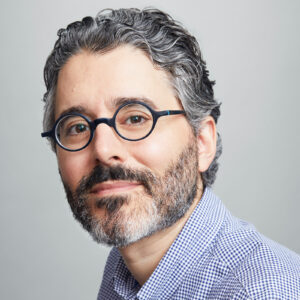
Michael Barbaro
Creator and host of “The Daily,” a podcast from The New York Times
Journalist in Residence, LaFollette School of Public Affairs
In pictures: Journalists in Residence
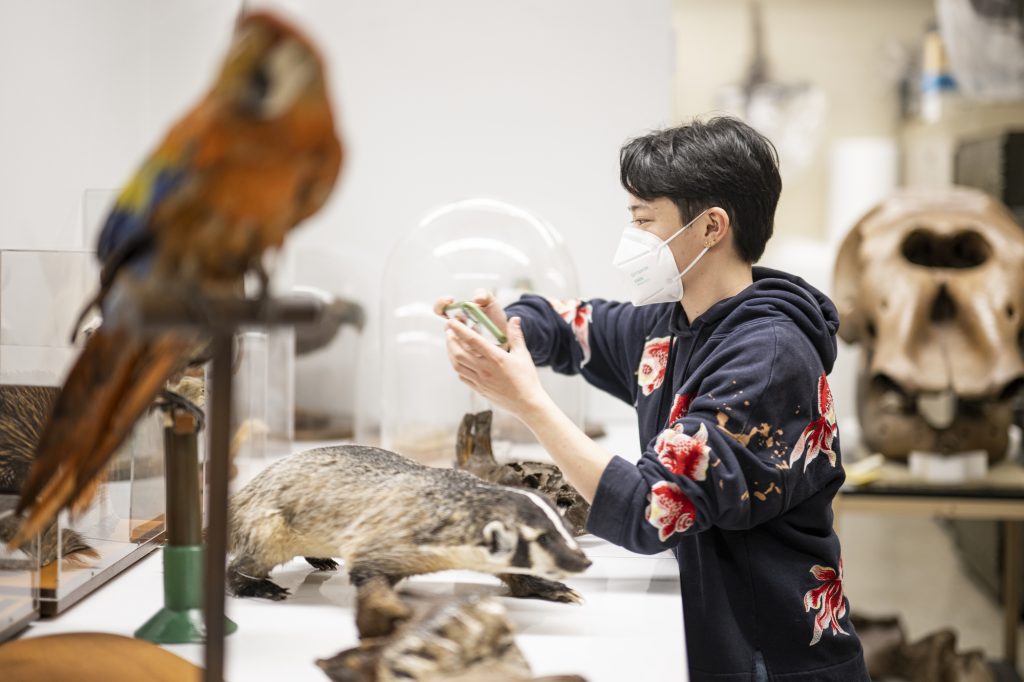
Sabrina Imbler
Defector staff writer Sabrina Imbler tours the UW Zoological Museum during a Science Journalist residency in 2023.
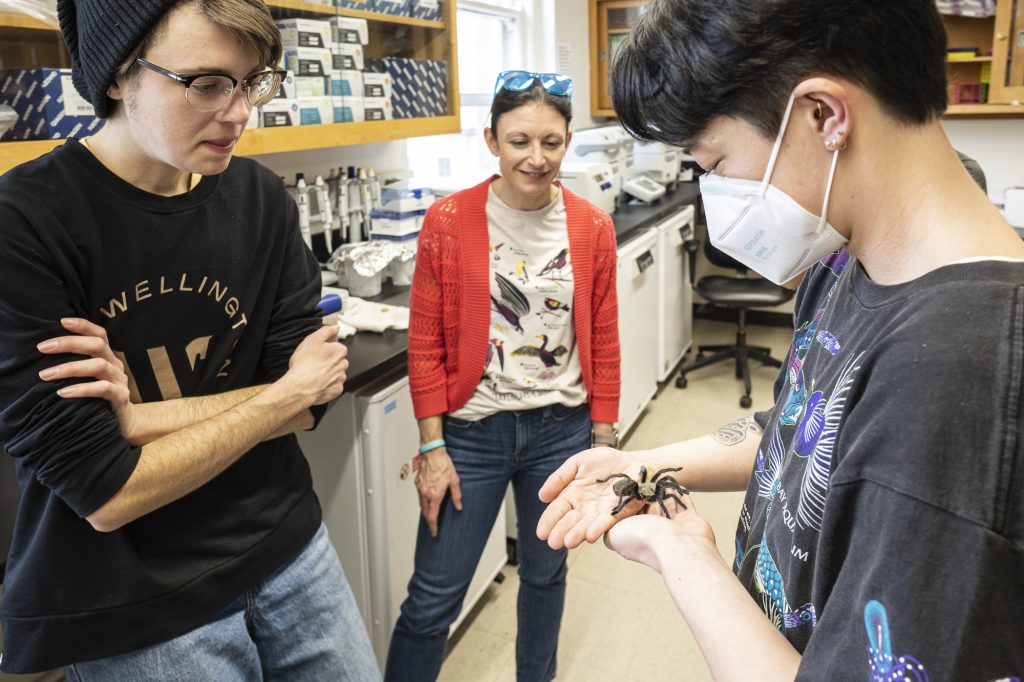
Sabrina Imbler
Imbler interacts with a tarantula during a Department of Integrative Biology lab tour.
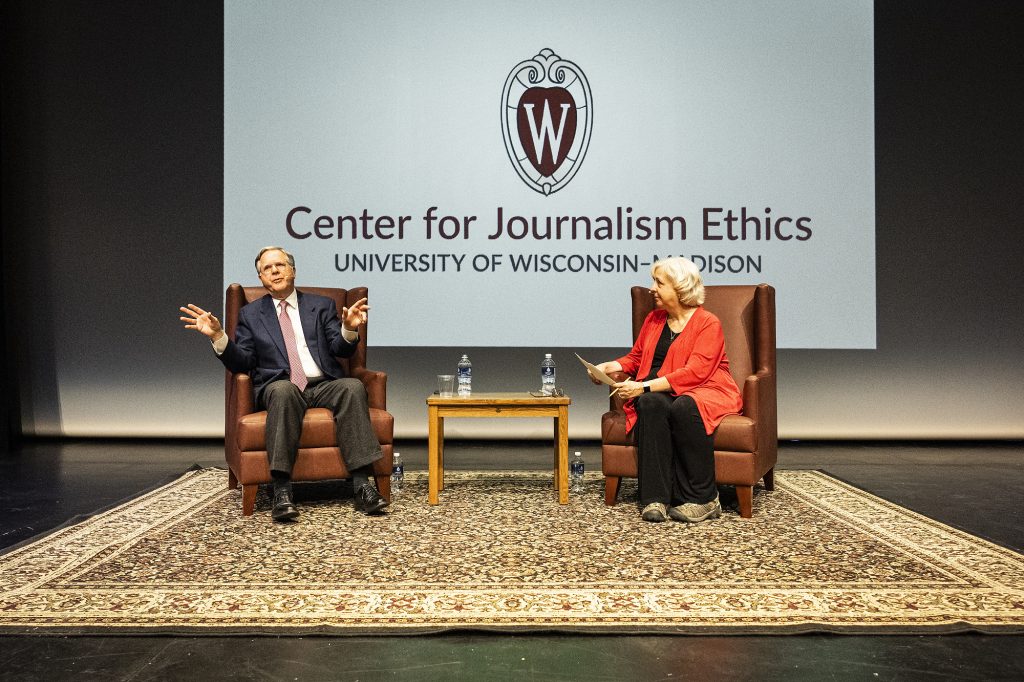
Pete Williams
NBC News’ Pete Williams talks with Kathleen Culver, director of the Center for Journalism Ethics at UW–Madison.
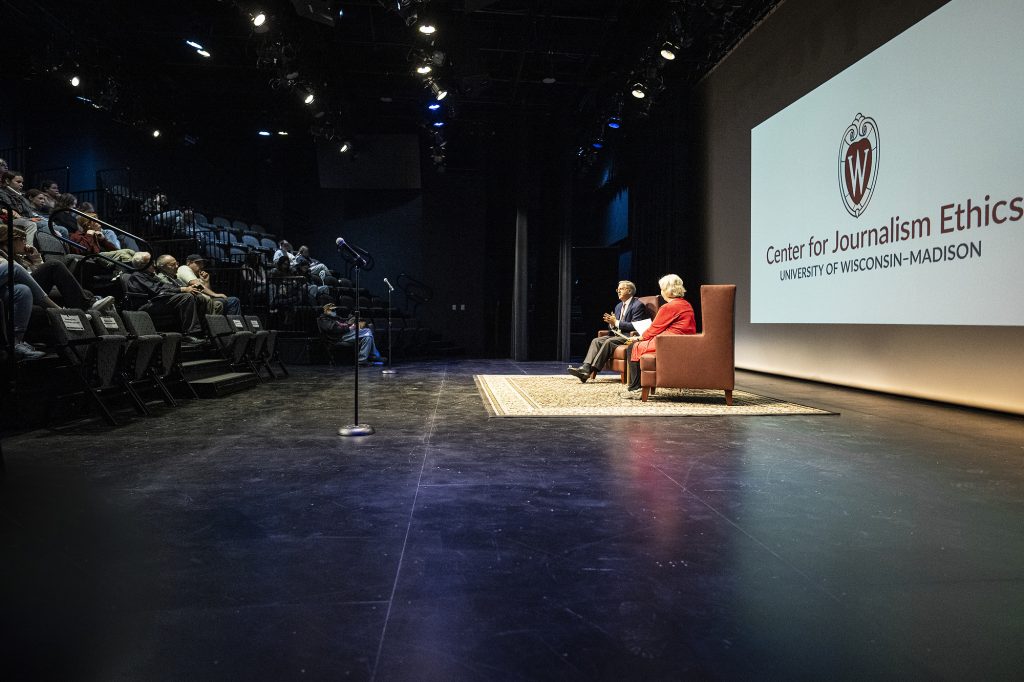
Pete Williams
NBC News’ Pete Williams talks with Kathleen Culver, director of the Center for Journalism Ethics at UW–Madison.
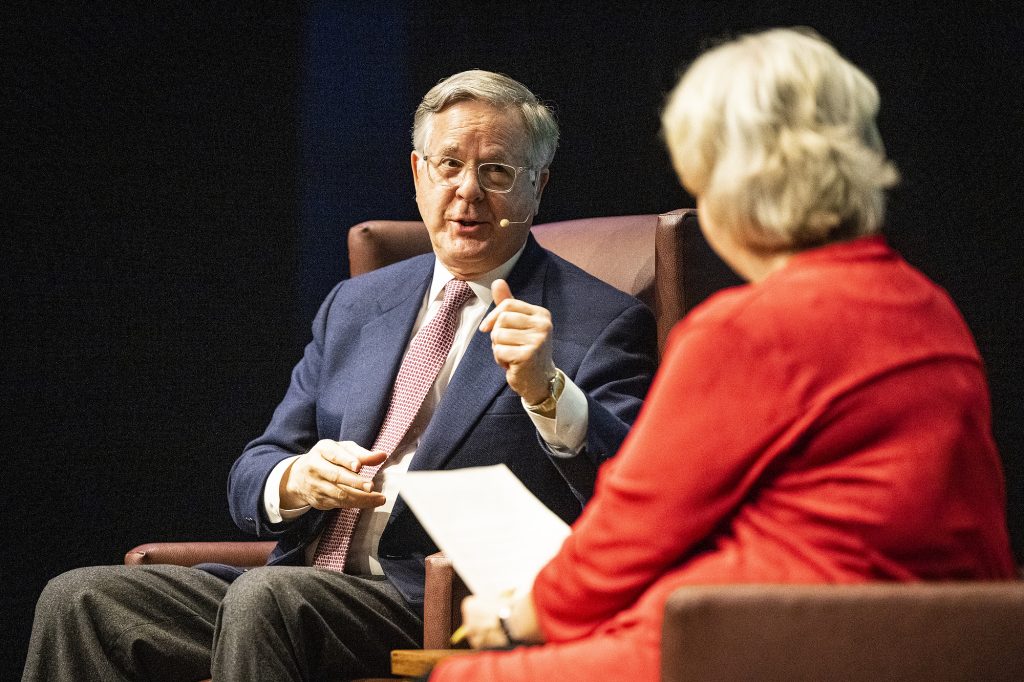
Pete Williams
NBC News’ Pete Williams talks with Kathleen Culver, director of the Center for Journalism Ethics at UW–Madison.
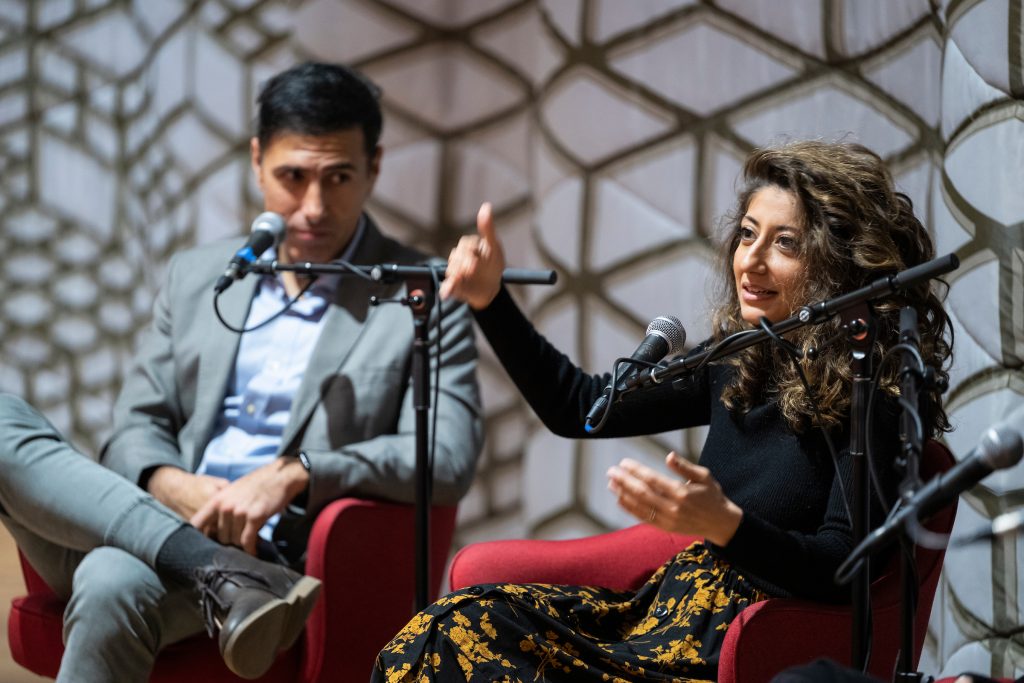
NPR’s Throughline
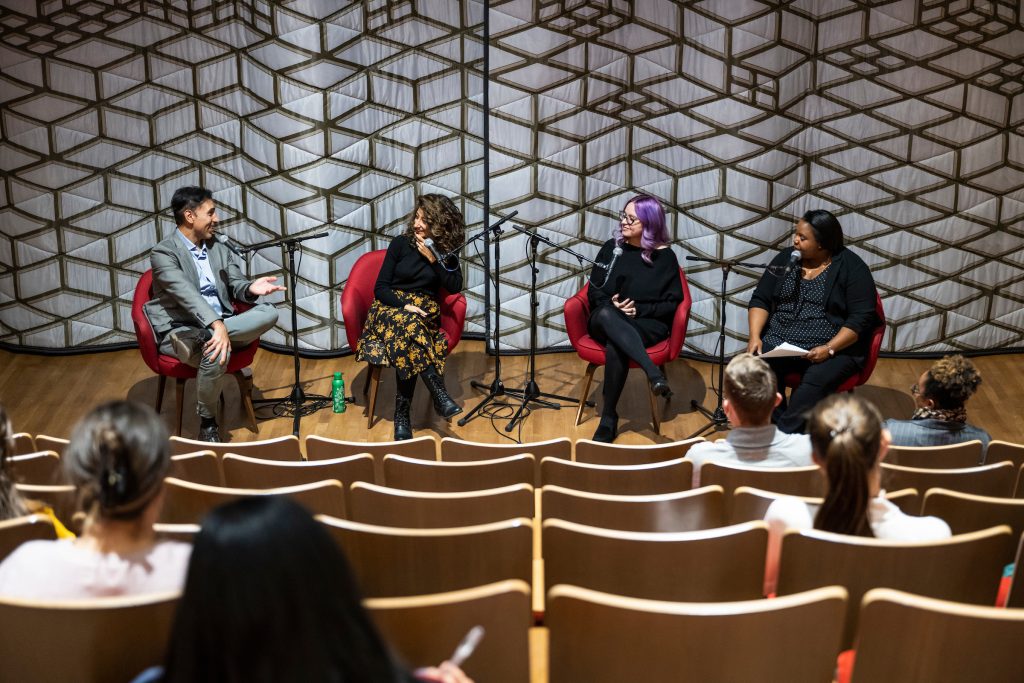
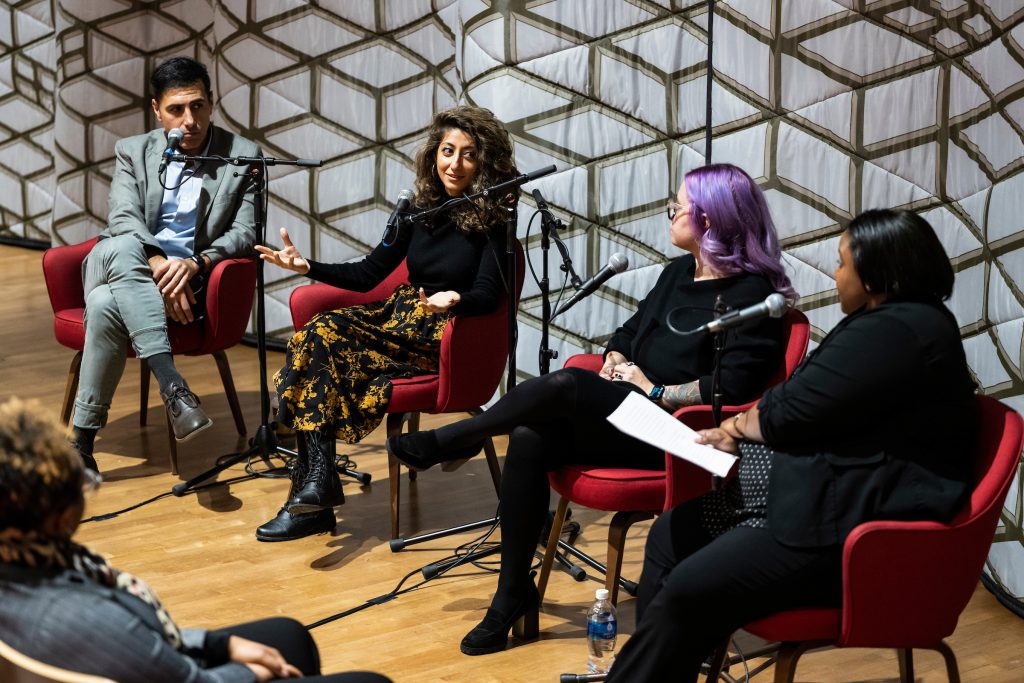
Ramtin Arablouei and Rund Abdelfatah, co-hosts/co-producers of Throughline, join a panel at the 2022 Diversity Forum.
NPR’s Throughline
Ramtin Arablouei and Rund Abdelfatah, co-hosts/co-producers of Throughline, join a panel at the 2022 Diversity Forum.
NPR’s Throughline
Ramtin Arablouei and Rund Abdelfatah, co-hosts/co-producers of Throughline, join a panel at the 2022 Diversity Forum.
Nate Silver
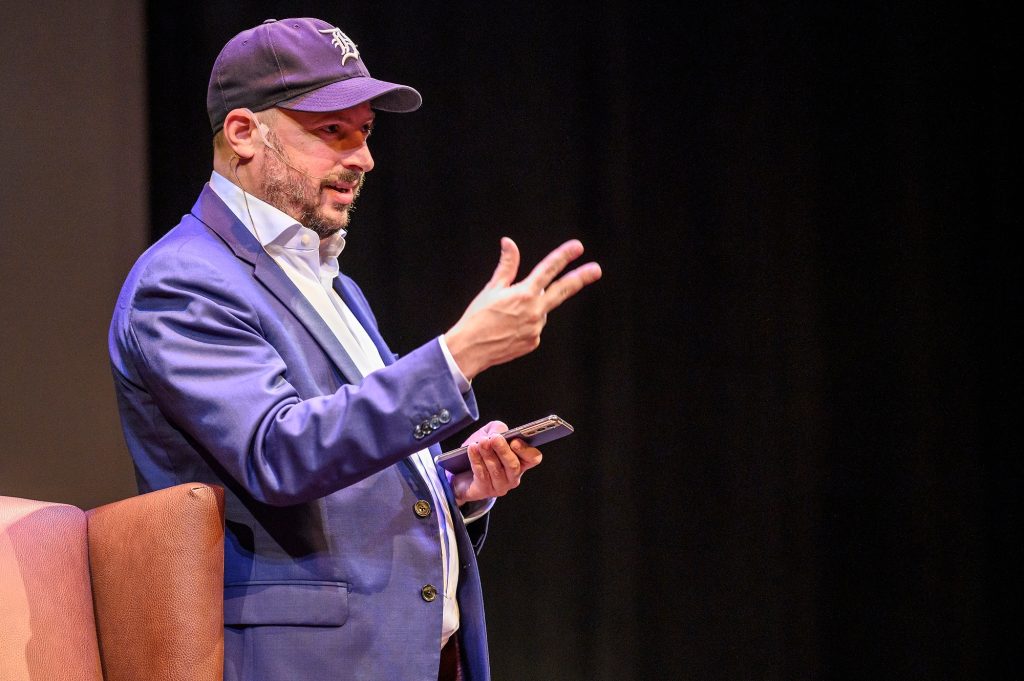
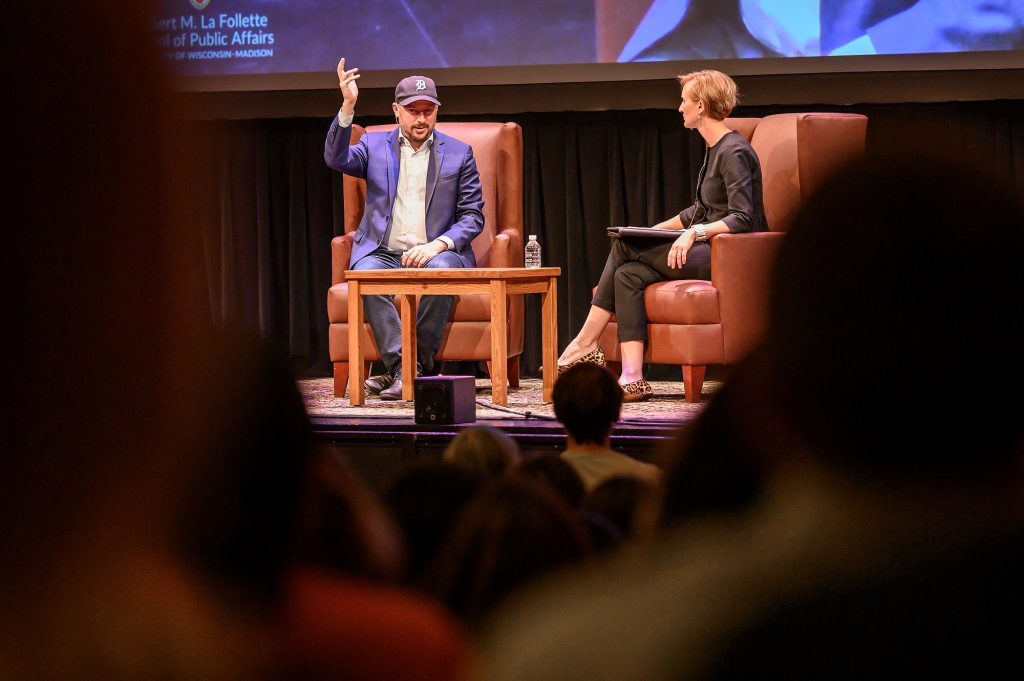
Days ahead of Wisconsin midterm elections, Nate Silver speaks in Shannon Hall in the Wisconsin Union Theater.
Nate Silver
Silver gestures as he answers audience questions posed to him by Susan Webb Yackee in Shannon Hall.
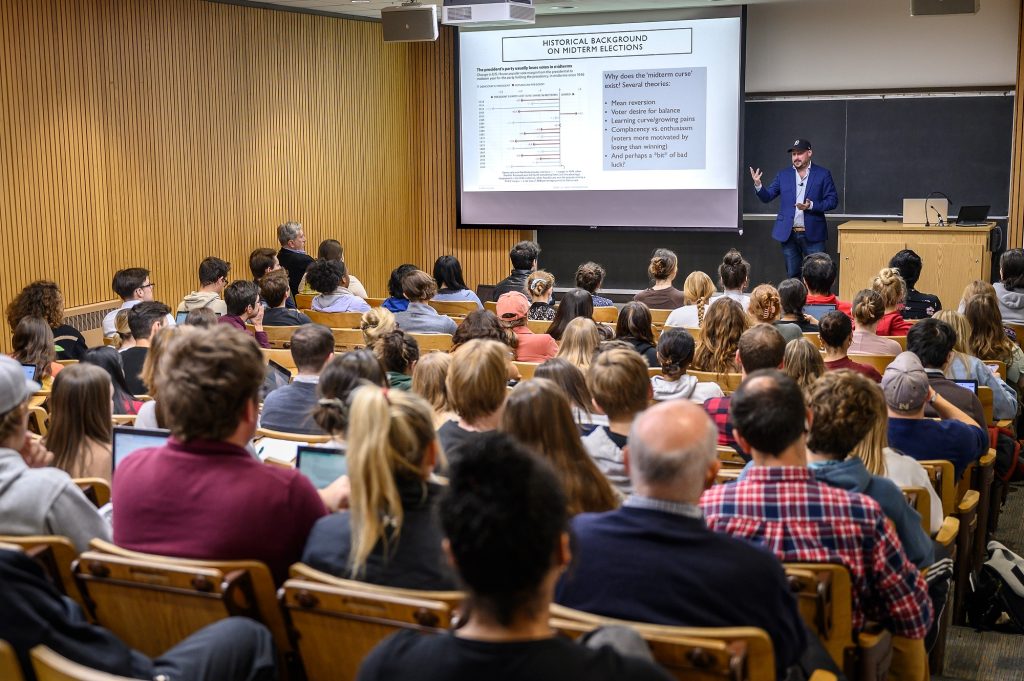
Nate Silver
Silver speaks to students during a visit to Contemporary Public Policy Issues class, Public Affairs & Public Policy 200.
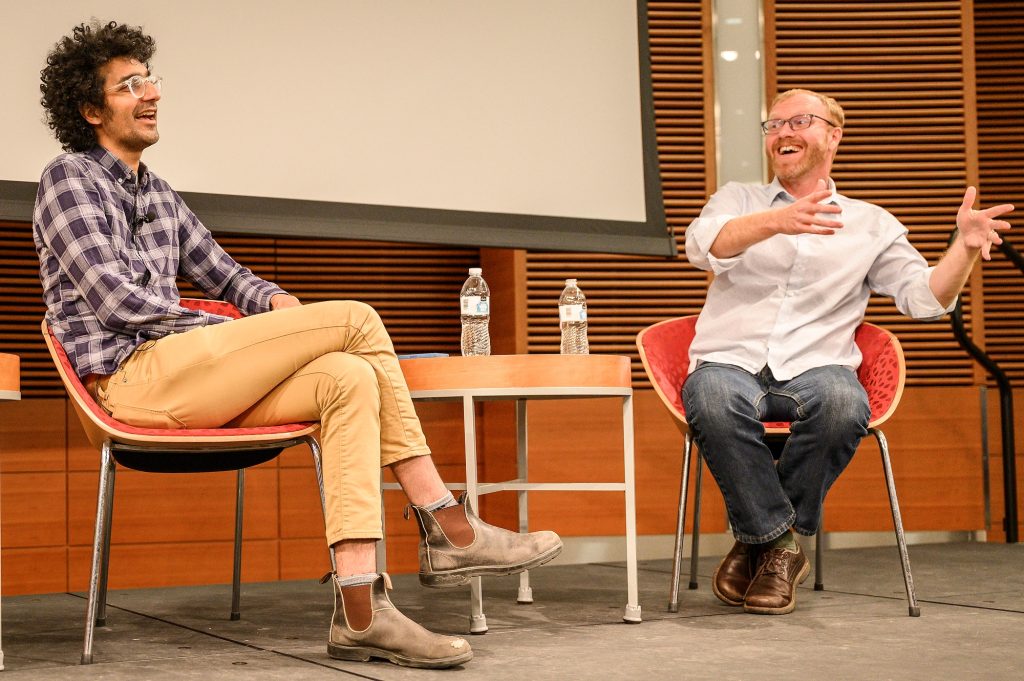
Latif Nasser
Latif Nasser, Science Journalist in Residence, laughs with his Radiolab executive editor Soren Wheeler.
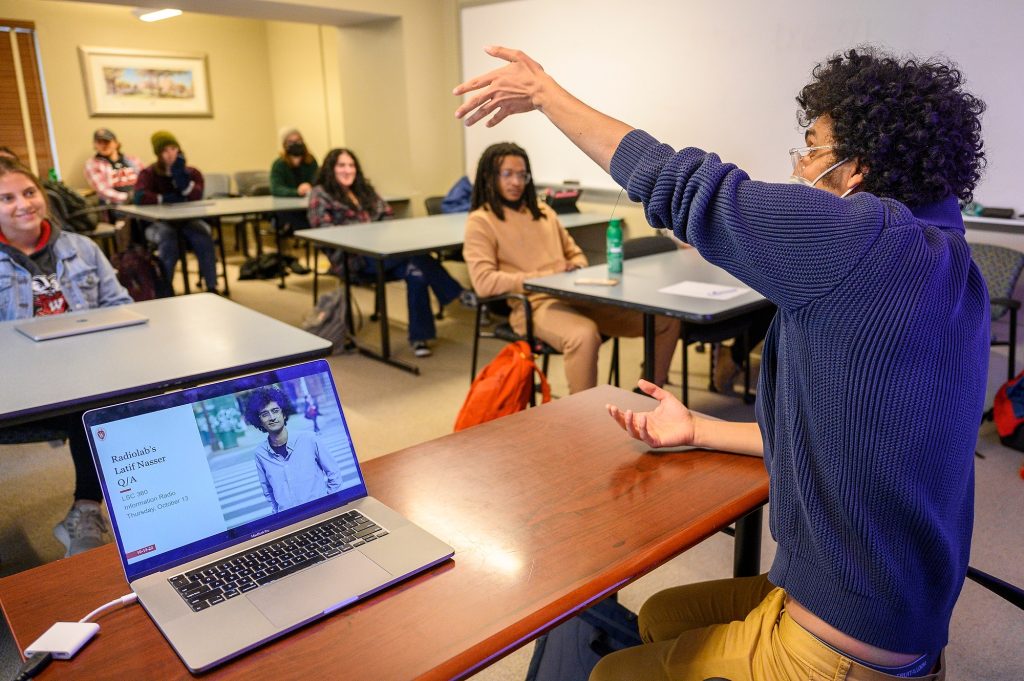
Latif Nasser
Nasser answers student questions about communicating science questions with changing answers in Life Sciences Communication 360.
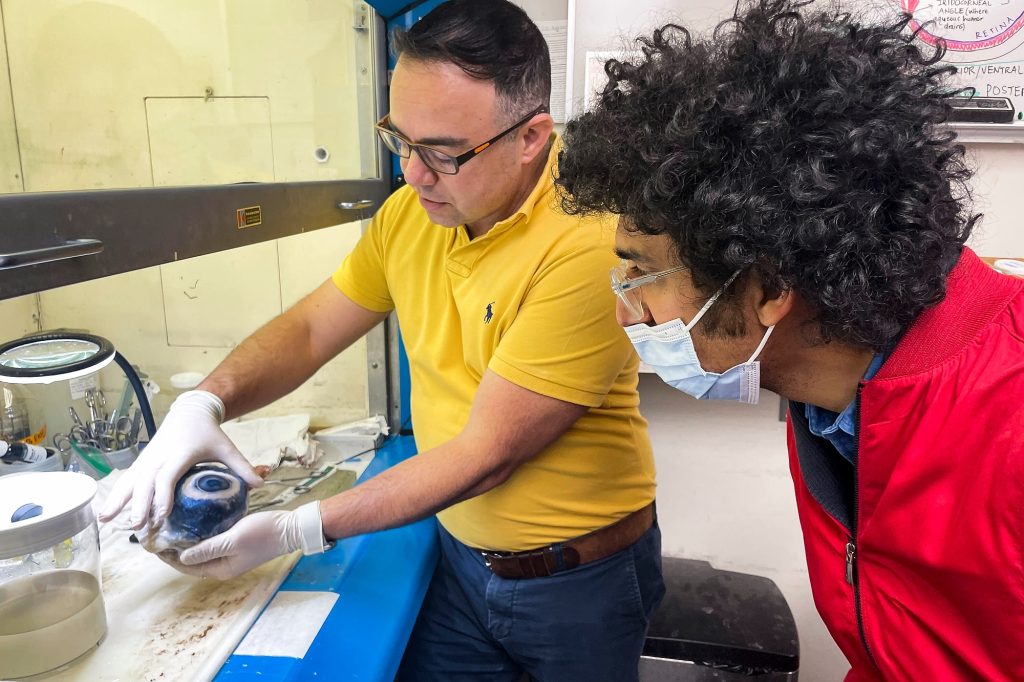
Latif Nasser
Leandro Teixeira, associate professor associate in the School of Veterinary Medicine, describes his research to Nasser.
This is a brilliant program and I’m delighted to have been part of it. Madison is an inspirational place, full of smart and engaged students. The researchers here are doing some of the most important science and other scholarship in the world, and the Writer in Residence program is a great way to help share that work.
About the program
Program details
- Journalists in Residence come to campus for four to six days. A typical schedule may include a Sunday arrival with a Friday departure.
- The Journalist in Residence programs are offered during the fall and spring semesters. The exact timing of the visit is determined by the journalist in consultation with UW–Madison program organizers.
- Schedules vary from day to day, and typically include visits to classrooms, one-on-one meetings with students, talks with faculty and staff, luncheons and dinners, interviews with local journalists, and informal meetings with campus communicators. At least one public talk is scheduled during the week.
- Time is built in for those journalists wishing to explore campus or meet with faculty and staff experts.
- UW–Madison arranges travel and lodging and covers all meal expenses during the visit.
- Journalists in Residence are provided an on-campus office during their stay.
- A honorarium is provided to the Journalist in Residence.
Expectations
- Attend and actively engage with students during scheduled classroom visits. A schedule will be provided prior to your arrival.
- Participate in lectures, meetings, meals, social activities, and other events recommended by program organizers. Typically, one public lecture, presentation, or panel discussion is scheduled during the week.
Selection process
All Journalists in Residence are hand-selected by university faculty and staff. For additional information, please reach out to individual program contacts or contact the Office of Strategic Communication.
Residency programs
The Center for Journalism Ethics, housed in the School of Journalism and Mass Communication, provides an international hub for the examination of the role of professional and personal ethics in the pursuit of fair, accurate, and principled journalism. The Center’s Journalist in Residence program brings nationally renowned journalists to campus to promote engagement with UW–Madison students and the public.
Previous Center for Journalism Ethics Journalists in Residence:
- Aneri Pattani, KFF Health News — Fall 2023
- Pete Williams, NBC News — Fall 2022
- Keri Blakinger, The Marshall Project — Fall 2021
- Byron Pitts, ABC News — Spring 2021 (virtual)
- Wesley Lowery, CBS News — Fall 2020 (virtual)
- Caitlin Dickerson, New York Times — Fall 2019
- David Folkenflik, NPR — Fall 2018
- Sarah Kliff, Vox — Fall 2017
- Molly Ball, The Atlantic — Fall 2016
Primary program contact:
Kathleen Bartzen Culver
Director, Center for Journalism Ethics
ethics@journalism.wisc.edu
608-575-4082
The Public Affairs Journalist in Residence program hosts reporters with an in-depth approach to understanding the politics and implementation of issues such as poverty, health care, criminal justice, and immigration. The program is co-sponsored by the La Follette School of Public Affairs and the Office of Strategic Communication.
Prior Public Affairs Journalists in Residence:
- Ezra Klein, New York Times — Spring 2024
- Tamra Keith, NPR — Spring 2023
- Nate Silver, FiveThirtyEight — Fall 2022
- Catherine Rampell, Washington Post — Spring 2022
- David Brooks, New York Times — Fall 2021
- Amy Westervelt, Critical Frequency podcast network — Spring 2021 (virtual)
- Maggie Haberman, New York Times — Fall 2020 (virtual)
- Clare Malone, FiveThirtyEight — Fall 2019
- Ayesha Rascoe, NPR — Spring 2019
- Eric Lipton, New York Times — Fall 2018
- Matthew Yglesias, Vox Media — Spring 2018
- Sarah Stillman, New Yorker — Fall 2017
- Yamiche Alcindor, New York Times — Spring 2017
- David Weigel, Washington Post — Fall 2016
- Jamelle Bouie, chief political correspondent, Slate — Spring 2016
- Andy Katz, ESPN — Fall 2015
- Robert Leger, Arizona Republic — Spring 2014
- Riva Froymovich, Economist — Fall 2013
- Carrie Johnson, National Public Radio — Spring 2013
- Craig Gilbert, Milwaukee Journal Sentinel’s Washington, D.C., bureau chief and national political reporter — Fall 2012
- Juliet Eilperin, Washington Post — Spring 2012
- Jeff Gottlieb, Los Angeles Times — Fall 2011
- Lowell Bergman, Producer and Correspondent, Frontline — Spring 2011
- Manuel Roig-Franzia, Washington Post — Fall 2010
Primary program contact:
Lauren Weitkamp
608-263-7657
weitkamp@lafollette.wisc.edu
The UW–Madison Science Journalist in Residence program was founded in 1986 and is hosted by the School of Journalism and Mass Communication and the Office of Strategic Communication. It is now part of the Sharon Dunwoody Journalist in Residence program at UW–Madison. The late Dunwoody, a professor of journalism at UW–Madison, co-founded the Science Journalist in Residence program with Terry Devitt, emeritus director of research communications.
Prior Science Journalists in Residence:
- Isabelle “Izzy” Ross, Interlochen Public Radio in Michigan — Fall 2024
- Kallie Moore, PBS Digital Studios channel “Eons” co-host — Spring 2024
- Ben Goldfarb, environmental journalist — Fall 2023
- Sabrina Imbler, Defector — Spring 2023
- Latif Nasser, Radiolab — Fall 2022
- Caroline Chen, Propublica — Fall 2021 (virtual)
- Michelle Nijhuis, journalist and editor — Spring 2021 (virtual)
- Kendra Pierre-Louis, Gimlet Media — Fall 2020 (virtual)
- Apoorva Mandavilli, Spectrum — Spring 2019
- Christie Aschwanden, journalist, author, and editor — Fall 2019
- Laura Helmuth, Washington Post — Fall 2018
- Justin Gillis, author, formerly New York Times — Spring 2018
- Ed Yong, the Atlantic; Liz Neeley, Story Collider — Fall 2017
- Erik Vance, Author, Freelance (National Geographic, New York Times, Nature, Scientific American, Harper’s) — Spring 2017
- Nadia Drake, National Geographic — Fall 2016
- Alexandra Witze, Nature Magazine — Spring 2016
- Soren Wheeler, Radio Lab — Fall 2015
- Dan Vergano, BuzzFeed News — Spring 2015
- Mark Johnson, Milwaukee Journal Sentinel — Fall 2014
- Florence Williams, Freelance Writer and Author — Spring 2014
- Maryn McKenna, Scientific American, Freelance — Spring 2013
- Siri Carpenter, Discover Magazine — Fall 2013
- David Dobbs, Freelance Writer and Author — Fall 2012
Primary program contact:
Kelly Tyrrell
608-262-9772
kelly.tyrrell@wisc.edu
The Journalist in Residence program brings journalists to campus to meet with faculty, staff, and students, and to experience firsthand the state’s flagship university. This category includes several Wisconsin-based journalists.
Previous Journalists in Residence:
- David Maraniss, Washington Post — Fall 2024
- Ramtin Arablouei & Rund Abdelfatah, Throughline — Fall 2022
- Craig Gilbert, Milwaukee Journal Sentinel — Fall 2018
- Charlie Sykes, former radio host — Fall 2017
- Toya Washington, WISN — Spring 2015
- Joel Christopher, Gannett Wisconsin Media — Spring 2014
Primary program contact:
John Lucas
608-262-8287
jplucas@wisc.edu
The Business Journalist in Residence program connects reporters focusing on business and the economy with students and faculty in the UW’s top-ranked business school. The program is co-sponsored by the Wisconsin School of Business and the Office of Strategic Communication.
Previous Business Journalists in Residence:
- Lauren Weber, Wall Street Journal — Spring 2024
- Jonathan O’Connell, Washington Post — Spring 2019
- David Brancaccio, Marketplace — Spring 2018
- Yuki Noguchi, NPR — Spring 2017
- Jennifer Reingold, Fortune — Fall 2015
- Jason Zweig, Wall Street Journal — Spring 2015
- Jean Chatzky, NBC-Today Show — Fall 2014
- Melanie Hicken, CNN Money — Spring 2014
- Jenny Rooney, Forbes — Fall 2013
Primary program contact:
Typhaine Morrison
608-890-2989
typhaine.morrison@wisc.edu
Journalist in residence news and updates
Sign up for email updates on the Journalist in Residence program.
"*" indicates required fields
Journalist in Residence news
-
The Wall Street Journal’s Lauren Weber Visits WSB as Business Writer in Residence
-
PBS host Kallie Moore to visit UW–Madison as spring Science Writer in Residence
-
Unpacking polarization: Ezra Klein visits the La Follette School
-
Visiting journalist gets close-up look at Geology Museum’s treasures
-
National Public Radio White House Correspondent Tamara Keith presented the 2023 Paul Offner Lecture
-
Science Journalist in Residence meets UW’s creatures
Contact us
For general inquiries:
Office of Strategic Communication
165 Bascom Hall (Map)
500 Lincoln Drive
Madison, WI 53706-1380
contact.strategiccommunication@wisc.edu